
Gastrointestinal (GI) Cancer
What is Gastrointestinal (GI) Cancer?
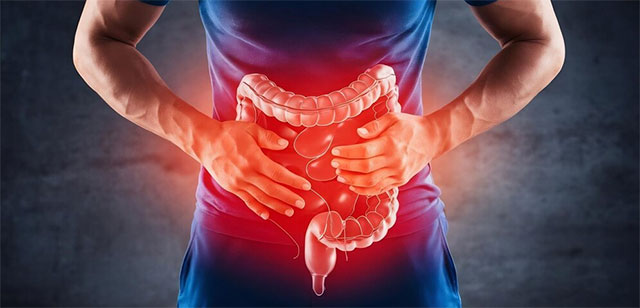
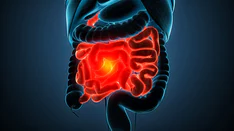
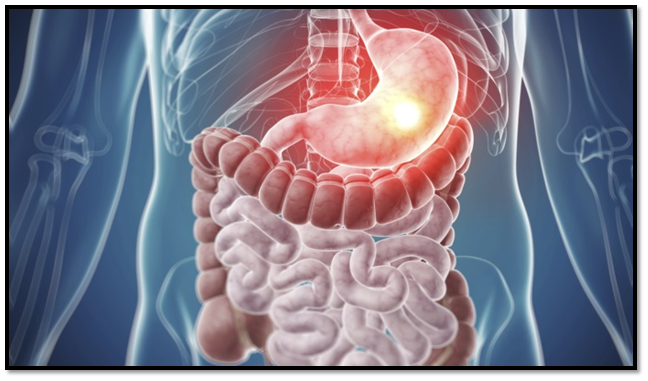
Gastrointestinal (GI) cancers refer to malignancies that develop in the digestive tract and associated organs, including the esophagus, stomach, liver, pancreas, gallbladder, small intestine, colon, and rectum. These cancers often begin as small, precancerous changes in the lining of the digestive organs and can progress silently before symptoms appear. Early diagnosis and timely surgical intervention significantly improve survival and quality of life. With advanced medical expertise and technology, Dr. [Name], a renowned Surgical Oncologist in Gujarat and one of the best cancer specialists, provides precise, personalized, and compassionate care for all types of GI cancers.
Common Types of GI Cancer
Esophageal Cancer – Cancer of the food pipe, often linked to chronic acid reflux or tobacco use.
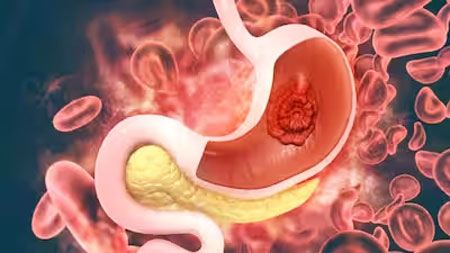
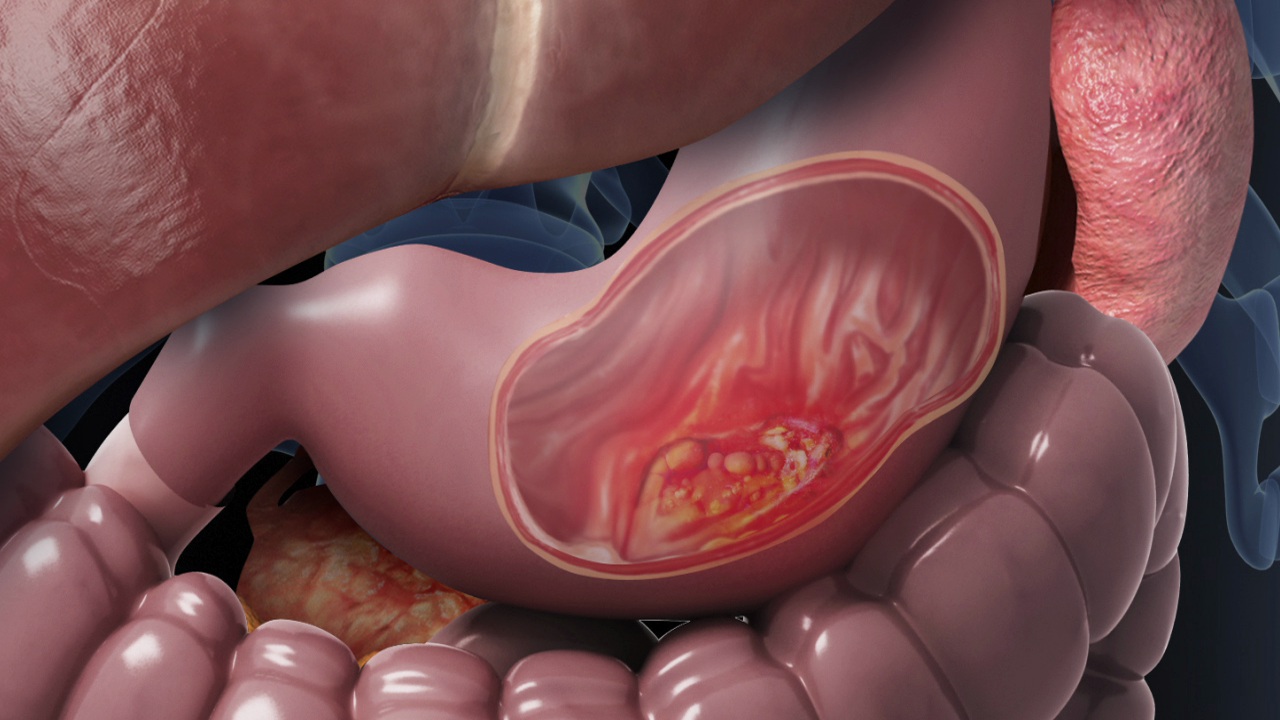
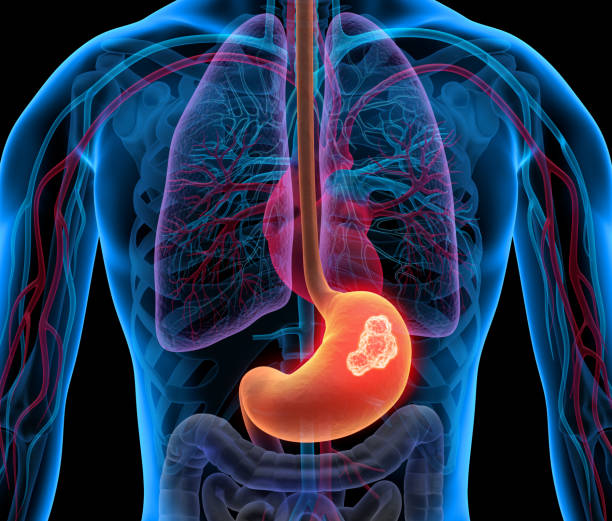
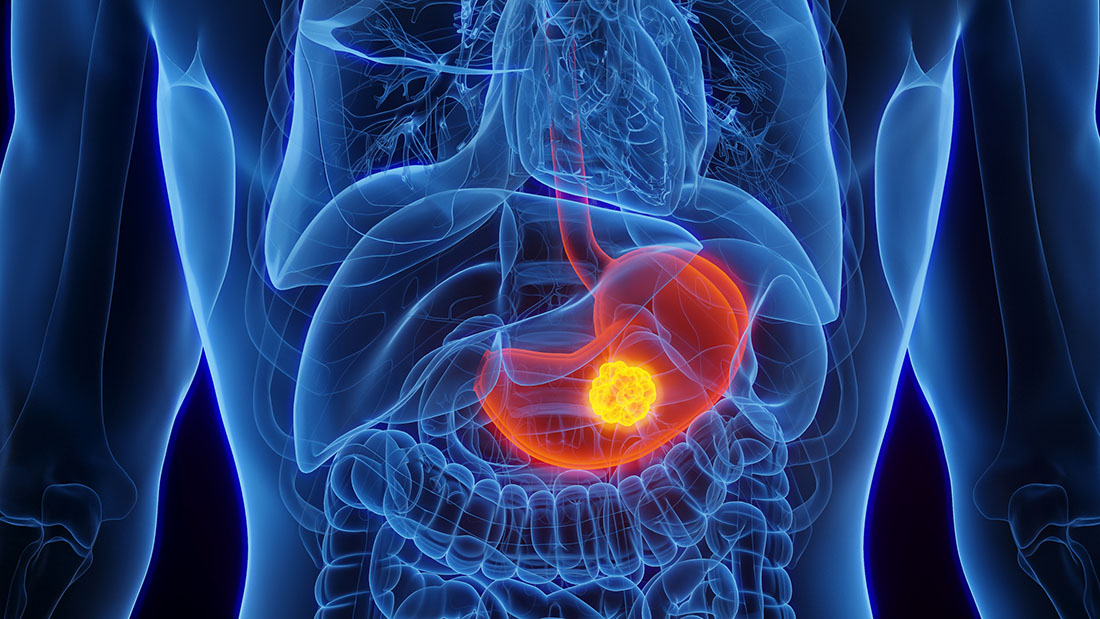
Stomach (Gastric) Cancer – Begins in the stomach lining; often develops slowly over years.
Liver Cancer (Hepatocellular Carcinoma) – Frequently associated with hepatitis B, hepatitis C, or fatty liver disease.
Pancreatic Cancer – Aggressive cancer arising in the pancreas, often detected in advanced stages.
Gallbladder Cancer – More common in women and linked with gallstones or chronic inflammation.
Colorectal Cancer – Begins as small, benign polyps that can turn malignant if not removed early.
Warning Signs & Symptoms
Symptoms vary depending on the site and stage of the cancer. Common warning signs include:
Diagnostic Evaluation
Diagnostic Tests Include:
Endoscopy / Colonoscopy: Direct visualization of the digestive tract with biopsy capability.
Ultrasound, CT, MRI, and PET-CT Scans: Detailed imaging to assess tumor size and spread.
Biopsy & Histopathology: Microscopic analysis to confirm cancer type.
Tumor Markers & Molecular Tests: Identify specific genetic or molecular targets for personalized therapy.
Treatment Options
for GI Cancer
Why Choose Dr. Sudip Halder for GI Cancer Treatment in Gujarat?
Extensive experience in treating complex gastrointestinal malignancies.
Expertise across surgical, medical, and radiation oncology.
Works alongside gastroenterologists, radiologists, and medical oncologists for holistic management.
Personalized treatment plans, emotional support, and transparent communication.
Advanced operation theaters and diagnostic facilities for precision and safety.