A Journey from Fear to Hope: Fighting GI Cancer with Expert Surgical Oncology Care

Introduction: When Digestive Symptoms Became a Serious Concern At 56, Mr. Mahesh Patel was known for his energetic lifestyle and active routine. However, over several months, he began experiencing persistent stomach discomfort, loss of appetite, unexplained weight loss, and unusual fatigue. Initially, he assumed it was acidity, stress, or a minor digestive problem. But when the symptoms continued worsening and began interfering with his daily activities, his family encouraged him to seek medical attention immediately. After undergoing detailed investigations, imaging studies, and biopsy tests, Mahesh was diagnosed with Gastrointestinal Cancer. The diagnosis came as a major emotional shock, bringing fear, uncertainty, and concerns about the future. What is GI Cancer? Gastrointestinal Cancer refers to cancers that develop in the digestive tract or associated organs. These may include cancers affecting the: GI cancers can sometimes develop silently, with symptoms appearing only in later stages. Early diagnosis plays a crucial role in improving treatment success and recovery outcomes. Common Symptoms of GI Cancer Many people initially mistake GI cancer symptoms for common digestive issues, which often delays diagnosis. Common symptoms may include: Mahesh experienced several of these symptoms before finally consulting a specialist. Emotional and Physical Challenges The diagnosis of Gastrointestinal Cancer deeply affected Mahesh and his family emotionally. He struggled with: Like many cancer patients, he needed both advanced medical care and emotional reassurance during his journey. When Should You See a Surgical Oncologist? Many patients delay treatment because they ignore early symptoms or assume they are related to common gastric problems. You should consult a surgical oncologist if you experience: Early consultation with a specialist can help diagnose GI cancer at an earlier and more treatable stage. Expert Consultation at Shankus Cancer Hospitals, Patan Searching for expert cancer treatment, Mahesh consulted Dr. Sudip Haldar, a highly experienced Cancer Surgeon in Patan, Gujarat and trusted Surgical Oncologist at Shankus Cancer Hospitals. After reviewing his scans, pathology reports, and cancer staging, Dr. Haldar explained the diagnosis and treatment options in a calm, detailed, and compassionate manner. His patient-focused approach gave Mahesh confidence and emotional strength during one of the most difficult phases of his life. Treatment Options at Shankus Cancer Hospitals, Patan At Shankus Cancer Hospitals, patients with GI cancer receive comprehensive and personalized oncology care using advanced cancer treatment techniques. Treatment options may include: The focus is not only on removing the cancer but also on improving recovery, digestive health, and overall quality of life. Recovery Journey: Healing with Strength and Determination Following treatment, Mahesh’s recovery journey required emotional resilience, family support, and continuous medical care. His recovery milestones included: Over time, he regained both his physical health and emotional positivity. Final Outcome: A New Chapter Filled with Hope Today, Mahesh Patel is living a healthier and more positive life after successfully completing his GI cancer treatment journey. He now encourages others not to ignore digestive symptoms and strongly believes that early diagnosis and expert cancer care saved his life. His story reflects the importance of awareness, timely treatment, and compassionate oncology support. Frequently Asked Questions (FAQ): GI Cancer What is GI cancer? Gastrointestinal Cancer refers to cancers affecting organs of the digestive tract such as the stomach, colon, liver, pancreas, or esophagus. What are the warning signs of GI cancer? Persistent abdominal pain, unexplained weight loss, digestive problems, blood in stool, and appetite loss are common warning signs. Is GI cancer treatable? Yes, many GI cancers can be treated successfully, especially when diagnosed in the early stages. Why should I consult a surgical oncologist? A surgical oncologist specializes in diagnosing and treating cancers through advanced surgical techniques and personalized oncology care. Can GI cancer return after treatment? There is a possibility of recurrence, which is why regular follow-up care and monitoring are important. Conclusion: Early Diagnosis and Expert Cancer Care Can Save Lives A diagnosis of GI cancer can feel frightening and emotionally overwhelming, but modern surgical oncology now offers advanced and highly effective treatment options. Under the expert supervision of Dr. Sudip Haldar at Shankus Cancer Hospitals, patients receive compassionate and personalized cancer care focused on treatment success, recovery, and long-term wellness. Mahesh’s journey is a powerful reminder that recognizing symptoms early, seeking timely medical attention, and trusting experienced cancer specialists can help patients overcome GI cancer and move forward with strength, confidence, and hope.

A Journey from Fear to Hope: Fighting GI Cancer with Expert Surgical Oncology Care Read More »

From Silent Symptoms to Survival: A Powerful Oral Cavity Cancer Recovery Journey

Introduction: When a Small Mouth Ulcer Became a Serious Warning At 51, Mr. Rajesh Patel was leading a busy and active life with his family in Gujarat. Like many people, he often ignored minor health concerns while focusing on work and responsibilities. However, one persistent problem slowly began affecting his daily life — a painful ulcer inside his mouth that refused to heal. Over time, he also noticed difficulty while eating, mild jaw swelling, and occasional voice changes. Initially, he assumed it was a simple infection or irritation caused by spicy food. But when the symptoms continued worsening for several weeks, his family urged him to seek expert medical advice immediately. After detailed investigations and biopsy tests, Rajesh was diagnosed with Oral Cancer. What is Oral Cavity Cancer? Oral Cancer is a type of cancer that develops inside the mouth, including the tongue, cheeks, gums, lips, floor of the mouth, and throat region. It often begins as a small sore or ulcer that does not heal and may gradually spread if left untreated. Common risk factors include: Early diagnosis is extremely important because timely treatment can significantly improve recovery and survival outcomes. Common Symptoms of Oral Cavity Cancer Many patients ignore the early warning signs of oral cancer, assuming they are temporary mouth problems. However, persistent symptoms should never be neglected. Common symptoms include: Rajesh experienced several of these symptoms before finally seeking specialist consultation. Emotional Challenges After Diagnosis The diagnosis of Oral Cancer deeply affected Rajesh and his loved ones emotionally. He struggled with: Like many cancer patients, he needed both medical expertise and emotional reassurance. When Should You See a Surgical Oncologist? Many patients delay medical consultation until symptoms become severe. However, early evaluation by a surgical oncologist can save lives. You should consult a surgical oncologist if you experience: Seeking timely care can help diagnose oral cavity cancer at an early and more treatable stage. Expert Consultation at Shankus Cancer Hospitals, Patan Searching for advanced cancer treatment, Rajesh consulted Dr. Sudip Haldar, a highly experienced Cancer Surgeon in Patan, Gujarat and trusted Surgical Oncologist at Shankus Cancer Hospitals. After reviewing imaging scans, biopsy reports, and staging investigations, Dr. Haldar explained the condition and treatment options clearly and compassionately. His patient-centered approach gave Rajesh and his family confidence and hope during one of the most difficult periods of their lives. Treatment Options at Shankus Cancer Hospitals, Patan At Shankus Cancer Hospitals, patients with oral cavity cancer receive comprehensive and personalized cancer care using advanced oncology techniques. Treatment options may include: The hospital focuses not only on cancer treatment but also on preserving speech, swallowing function, appearance, and overall quality of life. Recovery Journey: Healing with Courage and Support Following treatment, Rajesh’s recovery journey required patience, emotional strength, and continuous medical support. His recovery milestones included: Over time, he slowly returned to his family life and normal routine with renewed hope and positivity. Final Outcome: A Life Rebuilt with Strength and Gratitude Today, Rajesh Patel is living a healthier and more confident life after successfully completing his oral cavity cancer treatment. He now actively encourages others not to ignore persistent mouth symptoms and believes that early diagnosis truly saved his life. His journey reflects the importance of awareness, timely treatment, and expert surgical oncology care. Frequently Asked Questions (FAQ): Oral Cavity Cancer What is oral cavity cancer? Oral Cancer is cancer that develops inside the mouth, tongue, gums, cheeks, or surrounding oral tissues. What are the early signs of oral cancer? Non-healing mouth ulcers, jaw swelling, voice changes, swallowing difficulty, and mouth pain are common early warning signs. Is oral cavity cancer treatable? Yes, many cases can be treated successfully, especially when diagnosed early. Why should I consult a surgical oncologist? A surgical oncologist specializes in cancer surgery and helps provide accurate diagnosis, staging, and advanced treatment planning. Can oral cancer return after treatment? There is a possibility of recurrence, which is why regular follow-up evaluations remain extremely important. Conclusion: Early Diagnosis and Expert Care Can Save Lives A diagnosis of oral cavity cancer can feel frightening and emotionally overwhelming, but modern surgical oncology now offers highly advanced and effective treatment options. Under the expert supervision of Dr. Sudip Haldar at Shankus Cancer Hospitals, patients receive compassionate and personalized cancer care focused on treatment success, recovery, and long-term well-being. Rajesh’s journey is a powerful reminder that recognizing symptoms early, seeking expert medical attention, and staying emotionally strong can help patients overcome oral cancer and rebuild life with confidence and hope.

From Silent Symptoms to Survival: A Powerful Oral Cavity Cancer Recovery Journey Read More »

A Journey of Strength: Conquering Breast Cancer with Expert Surgical Care

Introduction: When a Routine Check Changed Everything At 43, Mrs. Neha Kapoor was living a busy yet fulfilling life. Between managing her family and career, she rarely had time for herself. One day, during a routine self-examination, she noticed a small lump in her breast. Though painless, it immediately raised concern. What followed was a series of medical tests that confirmed her fears — she had been diagnosed with Breast Cancer. The diagnosis came as a shock, bringing fear, uncertainty, and countless questions about her future. Emotional Struggles and Challenges Like many women diagnosed with Breast Cancer, Neha experienced emotional and physical challenges that affected every part of her life. She struggled with: The emotional burden of hearing the word “cancer” felt overwhelming, but she knew she needed expert care and immediate action. Consultation with a Specialist: Finding Hope Through Expert Surgical Oncology Searching for advanced cancer treatment, Neha consulted Dr. Sudip Haldar, a highly experienced Cancer Surgeon in Patan, Gujarat and a trusted Surgical Oncologist known for precision-driven cancer surgeries. After detailed diagnostic evaluations, including imaging scans and biopsy tests, the cancer was identified at an early stage. Dr. Haldar explained the condition in a calm, reassuring, and patient-friendly manner, emphasizing that early-stage breast cancer often has excellent treatment outcomes with proper surgical care. His compassionate guidance immediately gave Neha and her family confidence and emotional reassurance. Understanding Breast Cancer and Surgical Treatment Breast Cancer develops when abnormal cells grow uncontrollably inside the breast tissue. Common warning signs may include: Why early detection matters: Modern surgical oncology has significantly improved the precision, safety, and effectiveness of breast cancer treatment. The Turning Point: Surgical Intervention Based on Neha’s diagnosis and cancer stage, Dr. Haldar recommended surgical treatment to remove the tumor, followed by necessary supportive therapies. Although the thought of surgery initially frightened her, the doctor’s expertise and patient-focused approach helped her feel prepared and emotionally stronger. The treatment approach included: The procedure was performed successfully, ensuring effective cancer removal while preserving as much healthy tissue as possible. Recovery Journey: Healing with Courage and Support Neha’s recovery journey was guided with constant medical support, emotional reassurance, and regular follow-ups. Her recovery milestones included: Over time, she regained her confidence and slowly returned to the activities she loved. Final Outcome: A Story of Hope and Resilience Today, Neha Kapoor is cancer-free and leading a healthy, active, and positive life. Her experience reflects the life-changing impact of early diagnosis, expert surgical oncology care, and emotional resilience. She now encourages women to prioritize regular breast health checkups and never ignore unusual symptoms. Frequently Asked Questions (FAQ): Breast Cancer What are the early signs of breast cancer? Breast Cancer may present as a lump, changes in breast shape, skin dimpling, or nipple discharge. Is breast cancer curable? Yes, especially when diagnosed early, breast cancer can often be treated successfully with surgery and oncology care. What role does surgery play in breast cancer treatment? Surgery helps remove the tumor and is commonly one of the most important treatment steps. How long is recovery after breast cancer surgery? Recovery varies from patient to patient, but many individuals gradually return to normal activities within a few weeks. Can breast cancer return after treatment? There is a possibility of recurrence, which is why regular follow-up evaluations and screenings remain essential. Conclusion: Early Action, Expert Care, Better Outcomes A diagnosis of breast cancer can feel life-changing and emotionally overwhelming, but modern surgical oncology now offers highly effective treatment options and renewed hope for recovery. Under the expert supervision of Dr. Sudip Haldar, patients receive advanced and compassionate cancer care focused on precision treatment, emotional support, and long-term wellness. Neha’s story is a powerful reminder that awareness, timely diagnosis, and expert medical intervention can transform fear into strength and recovery into a new beginning.

A Journey of Strength: Conquering Breast Cancer with Expert Surgical Care Read More »

Gratitude and Healing: A Cancer Survivor’s Journey with Dr. Sudip Halder

Gratitude, Compassion, and Healing: A Cancer Survivor’s Journey Under Expert Care Cancer is a journey that tests not only the body but also the mind and spirit of patients and their families. In such moments, the presence of a skilled and compassionate doctor can make all the difference. This heartfelt story reflects the impact of dedicated oncology care and the deep gratitude of a family whose lives were transformed through expert treatment and unwavering support. A Doctor Who Inspires Trust and Hope When Soma Saha Shrimani was diagnosed with cancer, her family was overwhelmed with fear and uncertainty. From their very first consultation with Dr. Sudip Halder, they felt a sense of reassurance. His calm demeanor, profound expertise in oncology, and genuine compassion immediately created trust during one of the most difficult phases of their lives. Dr. Halder’s approach went far beyond clinical treatment. He carefully evaluated every aspect of the patient’s condition, ensuring an accurate diagnosis and a well-planned treatment strategy. His thoroughness and attention to detail gave the family confidence that Soma was in the best possible hands. Beyond Treatment: Emotional Strength and Support Throughout the treatment journey, Dr. Halder took time to explain every step clearly, patiently answering questions and addressing concerns. His ability to combine medical precision with empathy helped the family cope with both physical and emotional challenges. He consistently offered encouragement, strength, and hope—not just to the patient, but to the entire family. A Moment of Victory: Remission and Renewal Today, Soma Saha Shrimani is in remission—a milestone that stands as a testament to Dr. Sudip Halder’s exceptional skills, dedication, and compassionate care. For her family, this recovery represents not just successful treatment, but the return of hope, confidence, and normalcy. As expressed by Swapan Kumar Saha, this journey has left an indelible mark of gratitude. Dr. Halder is remembered not only as an outstanding oncologist but also as an extraordinary human being whose commitment has changed lives. A Beacon in Cancer Care Dr. Sudip Halder’s dedication to his patients exemplifies what modern cancer care should be—scientifically advanced, deeply humane, and emotionally supportive. Stories like these remind us that healing is not only about curing disease, but also about restoring faith and strength in the face of adversity.

Gratitude and Healing: A Cancer Survivor’s Journey with Dr. Sudip Halder Read More »

Successful Surgery Experience with Dr. Halder | Patient Testimonial

A Patient’s Journey of Trust and Successful Surgery Under Dr. Halder’s Care Finding a doctor who combines medical expertise with genuine compassion makes a lasting difference in a patient’s healing journey. This patient testimonial reflects more than three years of trusted medical care under Dr. Halder, highlighting professionalism, empathy, and excellent surgical outcomes. The patient had been under Dr. Halder’s care for over three years, during which every consultation was marked by patience, attentive listening, and clear communication. Dr. Halder’s calm behavior and willingness to understand the patient’s concerns helped build confidence and reassurance throughout the treatment process. In April 2023, the patient underwent surgery performed by Dr. Halder. The procedure was successful, and the recovery period was smooth, with no post-surgical complications reported. The patient expressed complete satisfaction with both the surgical expertise and the quality of post-operative care received. According to the patient, Dr. Halder’s dedication, approachability, and clinical skill made the entire experience stress-free and positive. This successful outcome has led the patient to strongly recommend Dr. Halder for consultation, surgery, and long-term medical care. Such testimonials highlight the importance of choosing an experienced doctor who prioritizes patient safety, comfort, and long-term well-being.

Successful Surgery Experience with Dr. Halder | Patient Testimonial Read More »

Expert Surgical Oncology Care with Dr. Sudip Haldar | Compassionate Cancer Treatment

Compassionate and Expert Cancer Care: A Family’s Gratitude for Dr. Sudip Haldar Facing a cancer diagnosis is one of the most challenging moments for any family. During such times, finding the right surgeon — someone who combines skill, compassion, and reassurance — can make all the difference. For one patient’s family, that person was Dr. Sudip Haldar, a highly respected Surgical Oncologist whose expertise and kindness have left a lasting impact. The patient’s family shared their experience with deep appreciation, saying,“Dr. Sudip Haldar is the surgeon under whose guidance and operative care my mother’s treatment is ongoing. He is a very gentle person with exceptional knowledge in his field. We feel truly fortunate to have such an experienced and knowledgeable doctor taking care of her. I would recommend him for any surgical oncological procedure and post-operative care.” Dr. Haldar’s approach goes beyond performing successful surgeries. He takes the time to ensure patients and families fully understand the treatment plan, providing emotional support alongside medical excellence. His calm and reassuring demeanor helps patients feel confident and cared for throughout their journey. For many families, Dr. Sudip Haldar stands as a symbol of hope and healing — a surgeon whose dedication, expertise, and compassion make every step of the treatment process smoother and more comforting.

Expert Surgical Oncology Care with Dr. Sudip Haldar | Compassionate Cancer Treatment Read More »

A.I. Chatbot (ChatGPT/Gemini) in Cancer Treatment—Will It Save or Harm?

A.I. Chatbot (ChatGPT/Gemini) in Cancer Treatment—Will It Save or Harm?Is it safe to get cancer-treatment advice from A.I. chatbots like ChatGPT or Gemini? Using real patient stories and clear explanations, he highlights critical concerns around relying solely on A.I. for medical guidance. He also provides a practical checklist so you and your loved ones can use these tools safely and wisely. Why the Concern? What Dr. Haldar Demonstrates Key Takeaways Final Thought In the journey of cancer care, trust, clarity, and collaborative expertise matter deeply. While A.I. chatbots represent fascinating technology, Dr. Haldar reminds us that they must complement—not replace—the human touch of experienced clinicians.

A.I. Chatbot (ChatGPT/Gemini) in Cancer Treatment—Will It Save or Harm? Read More »

Understanding Radical Cystectomy: What You Need to Know About Bladder Cancer Surgery

Understanding Radical Cystectomy: What You Need to Know About Bladder Cancer Surgery Bladder cancer is a serious health condition that requires prompt and effective treatment. One of the most common and effective surgical options for advanced bladder cancer is radical cystectomy. In this blog, we’ll explore the ins and outs of radical cystectomy, from its indications and procedure to the recovery process, with expert insights from Dr. Sudip Haldar, a leading specialist in urological cancer surgery. What Is Radical Cystectomy? Radical cystectomy is a major surgical procedure primarily used to treat muscle-invasive bladder cancer (MIBC). In this surgery, the entire bladder is removed, along with surrounding tissues such as lymph nodes and, in some cases, reproductive organs. The goal of this procedure is to remove the cancerous tissue and prevent the spread of cancer to other parts of the body. There are two main reasons why radical cystectomy may be recommended: Why Is Radical Cystectomy Performed? Radical cystectomy is typically recommended when bladder cancer is diagnosed in its advanced stages. It is often considered when: In some cases, early-stage cancers or cancers confined to the inner layers of the bladder may also require cystectomy if other treatments fail. Dr. Sudip Haldar emphasizes that radical cystectomy can often be a life-saving procedure, especially for patients diagnosed with aggressive forms of bladder cancer. When Is Radical Cystectomy Recommended? Radical cystectomy is generally recommended when the cancer is diagnosed at an advanced stage, often after the cancer has spread to deeper layers of the bladder wall. However, it may also be considered for recurrent or high-risk bladder cancers. Several factors determine whether this surgery is appropriate, including: In all cases, a multidisciplinary team of healthcare providers, including urologists, oncologists, and pathologists, will work together to decide if radical cystectomy is the best option. What Happens During Radical Cystectomy? Radical cystectomy is a complex and major surgery that typically requires general anesthesia. Here’s what happens during the procedure: The entire procedure may take 4 to 6 hours, depending on the complexity of the surgery. What to Expect After the Surgery After a radical cystectomy, recovery is a gradual process. It is common for patients to remain in the hospital for several days to ensure proper healing. Here’s what to expect post-surgery: Hospital Stay Physical and Emotional Recovery Risks and Complications of Radical Cystectomy Like all major surgeries, radical cystectomy carries certain risks and potential complications, including: Life After Radical Cystectomy Life after radical cystectomy can be challenging, but many patients go on to live active and fulfilling lives. With the proper care, support, and follow-up treatment, it is possible to adapt to life without a bladder. Key factors to consider: Conclusion Radical cystectomy is a critical procedure for patients diagnosed with advanced or muscle-invasive bladder cancer. While the surgery involves significant changes to the urinary system, it offers patients the chance to eliminate cancer and significantly improve their chances of survival. With the right care, support, and lifestyle adjustments, many patients successfully navigate life after cystectomy and go on to lead fulfilling lives. If you or a loved one is facing bladder cancer and considering radical cystectomy, it’s essential to consult with an experienced surgical oncologist. Dr. Sudip Haldar, an expert in bladder cancer surgery, can provide valuable insights and guidance to help you make an informed decision about your treatment options.

Understanding Radical Cystectomy: What You Need to Know About Bladder Cancer Surgery Read More »

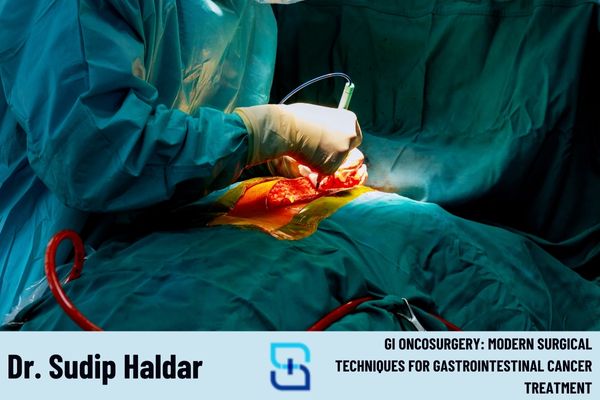
GI Oncosurgery: Modern Surgical Techniques for Gastrointestinal Cancer Treatment

GI Oncosurgery: Advanced Surgical Approaches to Treating Gastrointestinal Cancers with Dr. Sudip Haldar Gastrointestinal (GI) cancers, including cancers of the stomach, intestines, pancreas, liver, and colon, require specialized treatment approaches. Surgical intervention, known as GI oncosurgery, plays a crucial role in effectively removing tumors and improving survival rates. Dr. Sudip Haldar, a leading GI oncosurgeon, specializes in advanced surgical techniques to offer patients the best possible outcomes. What is GI Oncosurgery? GI oncosurgery involves surgical procedures designed to remove cancerous growths from the digestive system. Depending on the stage and location of the tumor, different surgical methods are used to ensure optimal treatment. Common GI Oncosurgical Procedures Why Choose Dr. Sudip Haldar for GI Oncosurgery? Dr. Sudip Haldar is a renowned expert in the field of gastrointestinal oncology, known for his expertise in minimally invasive and robotic-assisted surgeries. His patient-centered approach ensures: Precise Surgical Outcomes – Using the latest technology for optimal tumor removal. Minimally Invasive Techniques – Reducing pain, hospital stay, and recovery time. Comprehensive Cancer Care – A multidisciplinary approach combining surgery with chemotherapy and radiation when needed. Recovery & Post-Surgical Care After surgery, patients undergo a carefully monitored recovery plan, including: Conclusion GI oncosurgery is a life-saving treatment for gastrointestinal cancers, and with advancements in surgical techniques, patient outcomes are continually improving. Under the expert care of Dr. Sudip Haldar, patients receive world-class treatment with a focus on precision, safety, and long-term well-being. If you or a loved one is facing GI cancer, consult Dr. Sudip Haldar to explore the best surgical options for a healthier future.

GI Oncosurgery: Modern Surgical Techniques for Gastrointestinal Cancer Treatment Read More »

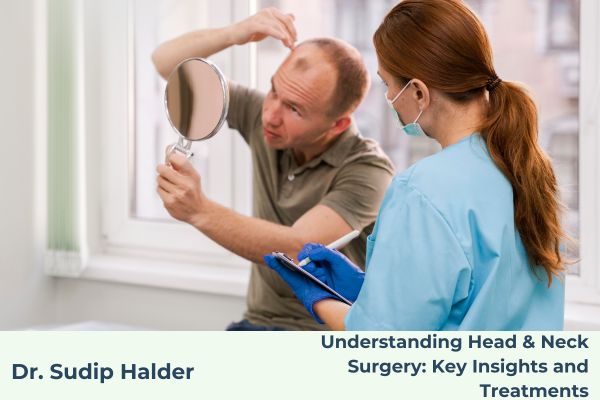
Understanding Head & Neck Surgery: Key Insights and Treatments

Understanding Head & Neck Surgery: What You Need to Know with Dr. Sudip Haldar Head & neck surgery is a specialized area of medicine that addresses a wide range of medical conditions affecting the head, neck, throat, and facial regions. These procedures can be life-saving, improving quality of life, and even restoring functionality after trauma or disease. In this blog, Dr. Sudip Haldar, an expert in head and neck surgery, provides a comprehensive guide on what this type of surgery involves, common conditions treated, and what you need to know before undergoing a procedure. What is Head & Neck Surgery? Head & neck surgery refers to surgical procedures aimed at treating disorders in the head, neck, throat, mouth, sinuses, larynx (voice box), thyroid gland, and lymph nodes. This branch of surgery involves specialists in otolaryngology, oncology, and plastic surgery who work together to manage diseases, cancers, infections, and deformities. Common Conditions Treated by Head & Neck Surgery What to Expect Before, During, and After Surgery Before Surgery:Dr. Sudip Haldar emphasizes the importance of pre-surgical evaluations, which may include imaging tests, blood work, and a thorough medical history review. Proper preparation, such as fasting before surgery and managing other health conditions, will help ensure a smooth procedure. During Surgery:The type of surgery performed depends on the condition being treated. Some procedures may be minimally invasive, using endoscopic techniques to reduce recovery time and scarring. More extensive surgeries, such as those involving cancer or facial reconstruction, may require longer recovery periods. In most cases, general anesthesia is used to ensure comfort and safety throughout the surgery. After Surgery:Recovery will vary based on the complexity of the surgery. Dr. Sudip Haldar works closely with patients during the post-operative period to ensure proper healing. This may involve pain management, wound care, and follow-up visits to monitor progress. In some cases, rehabilitation might be necessary to regain full functionality. Minimally Invasive Techniques in Head & Neck Surgery With technological advancements, minimally invasive surgery has become more common in the treatment of head and neck conditions. Endoscopic techniques allow surgeons like Dr. Sudip Haldar to perform precise operations through small incisions, leading to quicker recovery times, reduced scarring, and less pain for patients. Key Takeaways: Head & neck surgery is a powerful tool in treating complex conditions that affect vital areas of the body. If you or a loved one is dealing with a condition that may require surgery, Dr. Sudip Haldar’s expertise can help guide you toward the right treatment for a better, healthier future.

Understanding Head & Neck Surgery: Key Insights and Treatments Read More »