paki

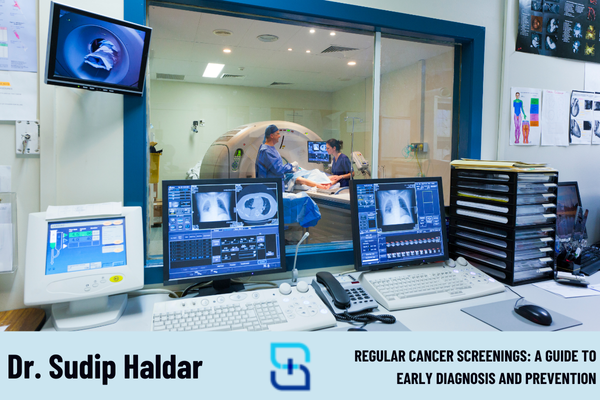
Regular Cancer Screenings: A Guide to Early Diagnosis and Prevention

Dr. Sudip Haldar: Renowned Cancer Specialist and Surgeon in Jalpaiguri Cancer is most treatable when detected early, making regular screenings a vital part of maintaining health. Dr. Sudip Haldar, one of the best cancer surgeons and specialists in Jalpaiguri, emphasizes the importance of cancer screenings for early diagnosis and prevention. Why Are Cancer Screenings Important? Cancer screenings help detect potential issues before symptoms appear, improving the chances of successful treatment. Early detection can also prevent the disease from advancing, reducing treatment complexity and increasing survival rates. Common Types of Cancer Screenings Dr. Haldar recommends personalized screening schedules based on age, medical history, and risk factors. Common cancer screenings include: When Should You Get Screened? The frequency and type of screening vary based on individual risk factors such as age, family history, lifestyle, and medical conditions. Consulting a specialist like Dr. Sudip Haldar ensures you get a tailored screening plan. Benefits of Regular Cancer Screenings Tips for Staying Proactive Conclusion Regular cancer screenings are a powerful tool for early diagnosis and prevention. With expert care from Dr. Sudip Haldar in Jalpaiguri, you can take a proactive approach to your health. Schedule your screening today and stay ahead in the fight against cancer.

Regular Cancer Screenings: A Guide to Early Diagnosis and Prevention Read More »

Exploring the Link Between Processed Foods and Cancer Risk

As one of the best cancer surgeons in Kolkata, Dr. Sudip Haldar emphasizes the importance of understanding dietary choices in relation to cancer risk. Recent studies suggest that processed foods may contribute to an increased likelihood of developing various cancers. Here’s what you need to know. Understanding Processed Foods Processed foods typically refer to items that have been altered from their original form through methods like canning, freezing, or adding preservatives. Examples include sugary snacks, ready-to-eat meals, and sodas. While convenient, these foods often contain high levels of sugars, unhealthy fats, and sodium. The Cancer Connection Research has shown a concerning association between the consumption of processed foods and an elevated cancer risk. For instance, studies have indicated that diets high in ultra-processed foods may lead to an increased risk of colorectal, breast, and other types of cancers. The exact mechanisms behind this link remain under investigation, but several factors may contribute: Making Healthier Choices To mitigate cancer risk, consider adopting a diet rich in whole, unprocessed foods. Focus on fruits, vegetables, whole grains, lean proteins, and healthy fats. Meal prepping and cooking at home can help you avoid the pitfalls of convenience foods while ensuring you consume nutrient-dense meals. Conclusion While more research is needed to fully understand the relationship between processed foods and cancer, it’s clear that making informed dietary choices can significantly impact your health. Dr. Sudip Haldar advocates for a balanced diet as a proactive step towards reducing cancer risk and enhancing overall well-being.

Exploring the Link Between Processed Foods and Cancer Risk Read More »

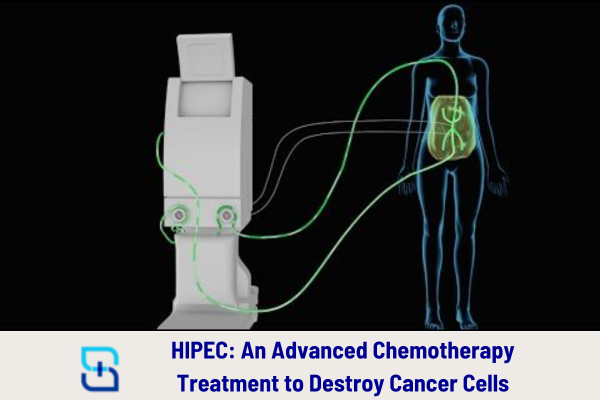
HIPEC: An Advanced Chemotherapy Treatment to Destroy Cancer Cells

Cancer treatment has made significant advances in recent years, and one of the most promising approaches for certain abdominal cancers is HIPEC (Hyperthermic Intraperitoneal Chemotherapy). This advanced treatment has revolutionized how we tackle cancers within the abdominal cavity. Dr. Sudip Haldar, a leading cancer surgeon in Jalpaiguri, explains how HIPEC works and its benefits for patients with challenging cancer cases. What is HIPEC? HIPEC is a specialized chemotherapy technique used to treat cancers within the abdominal cavity, such as colorectal cancer, ovarian cancer, and peritoneal mesothelioma. Unlike traditional chemotherapy, which is administered through the bloodstream and affects the entire body, HIPEC delivers heated chemotherapy drugs directly into the abdomen after tumor-removal surgery. This approach targets cancer cells in the abdominal area more effectively, minimizing the side effects of systemic chemotherapy. How Does HIPEC Work? The HIPEC procedure is typically performed in two stages: Benefits of HIPEC Who Can Benefit from HIPEC? HIPEC is not suitable for all cancer patients, but it is highly beneficial for those with specific types of cancers confined to the abdominal cavity. Patients with peritoneal carcinomatosis, a condition where cancer has spread to the lining of the abdominal cavity, are often candidates for HIPEC. Dr. Sudip Haldar carefully evaluates each patient’s case to determine if HIPEC is an appropriate treatment option. Recovery and Follow-up Care After undergoing HIPEC, patients typically require a hospital stay for several days to monitor recovery. While the treatment can be intensive, many patients find it a tolerable and effective option for addressing advanced cancer. Follow-up care is essential to ensure that the cancer has not returned, and Dr. Haldar works closely with his patients to provide ongoing support and monitoring. Why Choose Dr. Sudip Haldar for HIPEC? Dr. Sudip Haldar is a highly respected cancer surgeon in Jalpaiguri with extensive experience in performing advanced cancer treatments like HIPEC. His patient-focused approach ensures that each individual receives the highest level of care, from diagnosis to post-surgery recovery. With a commitment to using the latest surgical techniques and cancer therapies, Dr. Haldar provides hope to patients with complex cancer cases. Conclusion HIPEC offers new hope for patients battling abdominal cancers, delivering targeted treatment with fewer side effects. If you or a loved one is facing advanced cancer in the abdominal region, consult with Dr. Sudip Haldar, one of the best cancer surgeons in Jalpaiguri, to explore whether HIPEC might be the right option for you. His expertise and compassionate care ensure that patients receive the most effective treatment possible for their condition.

HIPEC: An Advanced Chemotherapy Treatment to Destroy Cancer Cells Read More »

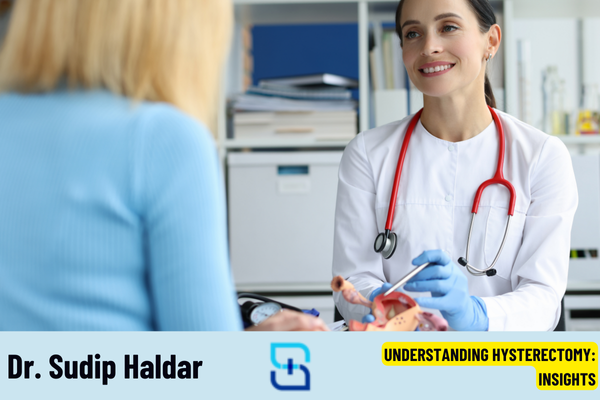
Understanding Hysterectomy: Insights by Dr. Sudip Haldar

A hysterectomy, the surgical removal of the uterus, is a common procedure performed for various medical reasons, including cancer, fibroids, and other gynecological conditions. Dr. Sudip Haldar, a top cancer surgeon and renowned specialist in Jalpaiguri, provides a comprehensive overview of hysterectomy, explaining its types, the reasons it may be necessary, and what patients can expect during recovery. What is a Hysterectomy? A hysterectomy is a surgical procedure in which a woman’s uterus is removed. Depending on the condition being treated, the surgery may also involve the removal of other reproductive organs, such as the ovaries and fallopian tubes. After a hysterectomy, a woman will no longer have menstrual periods or be able to conceive. Types of Hysterectomy Dr. Sudip Haldar explains that there are several types of hysterectomy, each tailored to the specific medical needs of the patient: Why is Hysterectomy Performed? Hysterectomy is recommended for various medical conditions, including: Recovery and Aftercare Recovery from a hysterectomy varies depending on the type of surgery performed and the patient’s overall health. Dr. Sudip Haldar outlines some key aspects of the recovery process: Conclusion Hysterectomy is a major surgical procedure that can be life-saving and significantly improve the quality of life for women suffering from certain medical conditions. Dr. Sudip Haldar, a leading cancer surgeon in Jalpaiguri, provides expert care and guidance for women considering or undergoing a hysterectomy, ensuring they receive the best possible treatment tailored to their needs. If you are considering a hysterectomy or need more information about your surgical options, consult with Dr. Sudip Haldar for professional and compassionate care.

Understanding Hysterectomy: Insights by Dr. Sudip Haldar Read More »

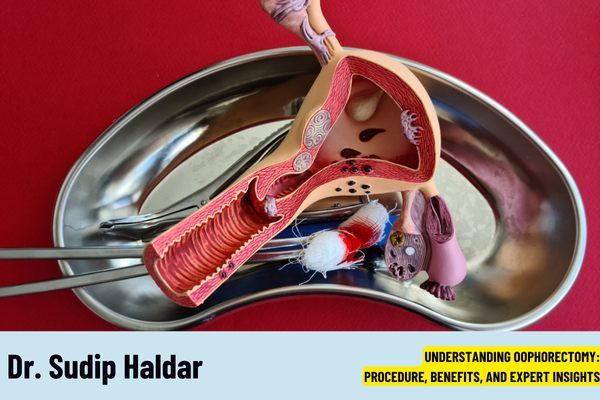
Understanding Oophorectomy: Procedure, Benefits, and Expert Insights

Oophorectomy is a surgical procedure involving the removal of one or both ovaries. This operation is often recommended for treating or preventing ovarian conditions, including cancer. Dr. Sudip Haldar, a top cancer surgeon and renowned specialist in Jalpaiguri, offers valuable insights into oophorectomy, its benefits, and what patients should expect. What is Oophorectomy? Oophorectomy involves the surgical removal of the ovaries, which are essential for hormone production and reproductive function. The procedure can be categorized into: Reasons for Oophorectomy: Benefits of Oophorectomy: The Procedure: Dr. Sudip Haldar emphasizes the importance of thorough evaluation and personalized care when considering oophorectomy. For expert guidance and comprehensive care, consult Dr. Haldar, a leading cancer surgeon in Jalpaiguri, to explore the best options for managing your condition and ensuring optimal outcomes.

Understanding Oophorectomy: Procedure, Benefits, and Expert Insights Read More »

Recognizing Oral Cancer Symptoms: Early Signs and Diagnosis

Recognizing Oral Cancer Symptoms: Early Signs and Diagnosis Oral cancer is a serious condition that affects the mouth, lips, and throat. Recognizing the symptoms early can lead to more effective treatment and significantly better outcomes. Here’s what to look out for: #### Early Symptoms Oral cancer often begins with subtle signs that are easy to overlook. Common early symptoms include persistent mouth sores, unexplained bleeding, or white or red patches on the gums, tongue, or lining of the mouth. Other early signs might be a lump or thickening in the cheek, and difficulty chewing or swallowing. #### Additional Warning Signs As oral cancer progresses, symptoms may become more pronounced. These can include persistent sore throat, hoarseness, and changes in voice. Unexplained weight loss, numbness or pain in any area of the mouth, and ear pain can also be indicators. It’s crucial to pay attention to any changes in oral health and seek medical advice if these symptoms persist for more than two weeks. #### Diagnosis Early diagnosis is vital for successful treatment. If oral cancer is suspected, a healthcare provider will conduct a thorough examination, which may include a biopsy to test for cancer cells. Imaging tests such as X-rays, CT scans, and MRIs may also be used to determine the extent of the disease. Being aware of oral cancer symptoms and seeking prompt medical attention can make a significant difference. Regular dental check-ups and self-examinations are essential in catching potential issues early, leading to timely and effective treatment.

Recognizing Oral Cancer Symptoms: Early Signs and Diagnosis Read More »

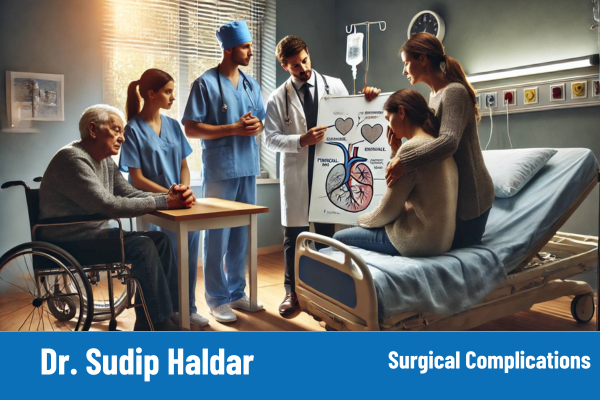
Bridging the Gap: Surgeon, Patient, and Family Perspectives on Surgical Complications

Introduction Is surgery without complications possible? It’s a myth. Every operation, no matter how minor, carries inherent risks. Whether performed by a newbie or an experienced surgeon, complications happen. It’s inevitable. Every complication is a lesson, a step toward mastering our craft. Skill, tissue respect, dissection techniques, gadgets, minimally invasive procedures, and case selection are crucial. Cumulative experience makes us better surgeons every day. Learning. Improving. Adapting. But there’s more. Communication, counselling, and expectation management are just as vital. Clear conversations and honest expectations build trust, bridge gaps, and help us navigate the complexities of surgical complications. Ultimately, it’s all about growth for our patients and their families. Case Scenarios: Real Stories from the Surgical Frontline Case 1: Carcinoma Breast Mrs A, diagnosed with breast cancer, came to us seeking treatment. We started with neoadjuvant chemotherapy to shrink the tumour before surgery. After a few cycles, she was ready for the next step: breast conservation surgery with an advancement flap. Preoperative Plan: The surgery went well, but then complications arose. Post-operatively, the flap necrosed completely. As a surgeon, it was a hard pill to swallow. Flap necrosis, though not rare post-reconstruction, felt like a personal setback. Patient and Family Response: I was nervous about facing Mrs. A and her husband. Would they understand? Surprisingly, they accepted the situation far more quickly than I did. They trusted me completely. Their calmness and acceptance gave me strength. We managed the complication conservatively. Today, Mrs. A is doing well. This case taught me the importance of clear communication and trust. I felt grateful for their understanding and resilience. Case 2: Carcinoma Stomach Mr. B had carcinoma of the stomach. Every meal was a struggle. Even liquids made him vomit sometimes. Initially, he was started with one cycle of neoadjuvant chemotherapy, hoping to shrink the tumour. Now, he presented with severe gastric outlet obstruction. We had no choice but to operate. Distal gastrectomy was the plan. We removed the cancer, hoping for a smoother path ahead. Postoperative Complication: Post-operatively, complications struck again. Mr B developed abdominal distension. Urgent. We needed to reoperate. The cause? Duodenal blowout. Bile leaked into the abdomen from the intestinal cut end. Another surgery was performed to control the leak and stabilise Mr B. It was a tense period, but we managed to pull through. Family Reactions and Team Effort: Once the immediate crisis was handled, we faced another challenge: communicating the situation to Mr. B’s family. The reactions were mixed and intense. Some relatives were in complete denial, refusing to believe that another surgery was necessary. They clung to the hope that the initial operation should have resolved everything. Others struggled to grasp the severity of the complication and the risks involved. A few were visibly irritated, frustrated by the unexpected turn of events. Understanding the importance of clear and compassionate communication, our team gathered for a detailed discussion. We planned a multifaceted approach to address the medical aspects and the family’s emotional and financial concerns. We sat down with Mr B’s relatives in a quiet room, away from the bustling hospital environment. Our senior surgeon, Dr. S, led the conversation, explaining briefly what had happened and why the reoperation was crucial. He used diagrams to illustrate the duodenal blowout and the subsequent bile leakage, ensuring that everyone could visualise the problem. Mrs T, our nurse, and Mr P, the financial counsellor, joined the discussion to address the non-medical concerns. Mrs. T spoke gently about the post-operative care plan and the steps we would take to monitor Mr. B’s recovery. She emphasised the importance of their support and understanding during this critical period. Mr. P then discussed the financial implications of the additional surgery. He provided a clear breakdown of costs and potential insurance coverage, offering reassurance that we would work with them to manage the expenses as smoothly as possible. Throughout the meeting, we encouraged questions and allowed the family to express their fears and frustrations. It was a difficult conversation, but most of Mr B’s relatives better understood the situation. They appreciated the transparency and felt more involved in the decision-making process. The resilience of our patients and their families, coupled with open and honest communication, is crucial in navigating these challenging situations. This experience reinforced the importance of a compassionate, team-based approach to managing surgical complications. Perspective on Complications Physician’s Perspective: Physicians analyse these percentages to understand risks better and improve patient outcomes. However, numbers alone can’t convey the emotional and physical impact on patients. Each case of necrosis or blowout is not just a statistic but a deeply personal journey for the patient and their family. Patient’s Perspective: For patients, any complication feels like a 100% occurrence. It’s their reality, their struggle. Explaining the statistics can be challenging, as it may not resonate with their immediate experience of pain and uncertainty. Communication of Risks and Complications It’s crucial to discuss the most common and critical complications pre-operatively. Clear communication about potential risks, however rare, prepares patients and their families for possible outcomes. This includes explaining: – Flap Necrosis: The likelihood, contributing factors, and steps for management. – Duodenal Blowout: The potential for bile leakage and the necessity for reoperation. Addressing these aspects fosters trust and understanding, helping patients and families navigate the complexities of surgical treatment with informed confidence. Complications vs. Negligence: A Thin Line In surgical practice, especially in settings like India, the distinction between complications and negligence can often blur from the patient’s perspective. Any adverse outcome is sometimes perceived as negligence, leading to a breakdown in trust. This issue is complex and multifactorial, rooted in the medical system and societal expectations. The Nature of Complications Complications are an inherent part of surgical practice. Despite the best efforts and highest standards of care, complications can and do occur. They are a known risk, discussed pre-operatively, and often unavoidable due to the nature of the human body and the complexity of medical procedures. Defining Negligence Negligence, conversely, is characterised by a failure to

Bridging the Gap: Surgeon, Patient, and Family Perspectives on Surgical Complications Read More »

Understanding Treatment Options for Stage 4 Rectal Cancer

Stage 4 rectal cancer, also known as metastatic rectal cancer, refers to cancer that has spread beyond the rectum to distant organs or tissues. Dr. Sudip Halder, a renowned oncology surgeon in Siliguri, provides insights into the various treatment options available for managing this advanced stage of rectal cancer. Multimodal Approach The treatment of stage 4 rectal cancer often involves a multimodal approach, combining surgery, chemotherapy, targeted therapy, and radiation therapy to effectively manage the disease and improve patient outcomes. Surgery Surgery may still play a role in treating stage 4 rectal cancer, particularly in cases where the cancer has not extensively spread to distant organs. Surgical resection aims to remove the primary tumor and any nearby lymph nodes to alleviate symptoms and prevent complications. Chemotherapy Chemotherapy is typically used in stage 4 rectal cancer to shrink tumors, alleviate symptoms, and improve overall survival. Various chemotherapy regimens, either alone or in combination with other treatments, may be prescribed based on the patient’s individual circumstances. Targeted Therapy Targeted therapy drugs specifically target cancer cells’ vulnerabilities, often with fewer side effects than traditional chemotherapy. These drugs may be used in combination with chemotherapy to enhance treatment efficacy and minimize toxicity. Radiation Therapy Radiation therapy may be employed to shrink tumors, alleviate symptoms, and improve local control of the disease. It can be delivered externally (external beam radiation) or internally (brachytherapy) depending on the patient’s specific needs. Clinical Trials Participation in clinical trials exploring novel treatment approaches and therapies offers stage 4 rectal cancer patients access to cutting-edge treatments and potential breakthroughs in cancer care. Individualized Care Dr. Sudip Halder emphasizes the importance of personalized treatment plans tailored to each patient’s unique circumstances and preferences. By collaborating closely with a multidisciplinary team of oncologists, surgeons, and other healthcare professionals, patients can receive comprehensive care and support throughout their cancer journey.Seeking Expert Consultation If you or a loved one is facing stage 4 rectal cancer, consulting a trusted oncology surgeon like Dr. Sudip Halder is essential. With expertise in advanced cancer care and a commitment to patient-centered treatment, Dr. Halder provides compassionate care and comprehensive support to help patients navigate their treatment options and achieve the best possible outcomes.

Understanding Treatment Options for Stage 4 Rectal Cancer Read More »

Demystifying Testicular Cancer: Insights

Decoding Testicular Cancer: Insights by Dr. Sudip Haldar Testicular cancer, though relatively rare, is a serious condition that requires prompt attention and specialized care. Join Dr. Sudip Haldar, esteemed as one of the best cancer surgeons in Jalpaiguri, as we delve into the intricacies of testicular cancer, exploring its risk factors, symptoms, diagnosis, and treatment modalities for effective management and support. Understanding Testicular Cancer: Risk Factors and Contributors Dr. Haldar elucidates that testicular cancer often develops when abnormal cells in the testicles multiply uncontrollably, forming a tumor. Risk factors for testicular cancer include a family history of the disease, previous testicular cancer diagnosis, undescended testicles (cryptorchidism), and certain genetic conditions. Understanding these factors is crucial for early detection and intervention. Exploring Symptoms and Impact Common symptoms of testicular cancer may include a painless lump or swelling in the testicle, changes in testicle size or shape, a feeling of heaviness in the scrotum, and discomfort or pain in the lower abdomen or scrotum. These symptoms can vary in severity and may mimic other benign conditions, highlighting the importance of seeking medical evaluation for any concerning changes. Diagnosis and Treatment Approaches Dr. Haldar discusses various diagnostic modalities for testicular cancer, including physical examination, imaging tests such as ultrasound or CT scan, and tumor marker blood tests. Treatment options may include surgery to remove the affected testicle (orchiectomy), chemotherapy, radiation therapy, and in some cases, surveillance for low-risk tumors. Patient Education and Empowerment In promoting testicular health awareness and empowerment, Dr. Haldar emphasizes the importance of regular self-examinations, early detection, and timely medical intervention. By providing comprehensive information about testicular cancer risk factors, symptoms, and treatment options, he empowers individuals to take charge of their health and seek prompt medical attention for any concerning changes. Conclusion In the compassionate care of Dr. Sudip Haldar, testicular cancer becomes a manageable condition, allowing individuals to navigate their cancer journey with confidence and support. Through his expertise and commitment to patient-centered care, individuals in Jalpaiguri can trust in his guidance and expertise as they undergo treatment and pursue optimal outcomes. As we prioritize understanding, early intervention, and comprehensive care, Dr. Haldar’s insights illuminate the path towards optimal testicular health and well-being for all.

Demystifying Testicular Cancer: Insights Read More »

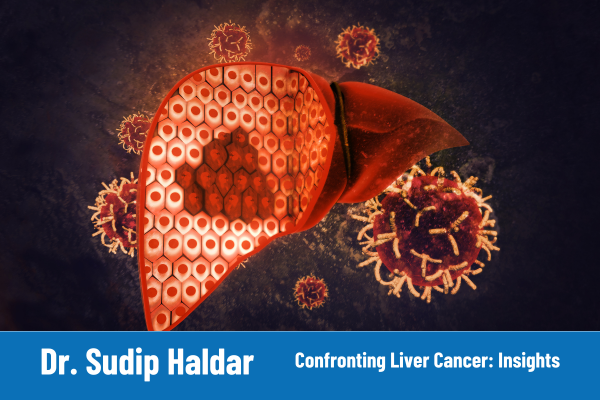
Confronting Liver Cancer: Insights

Confronting Liver Cancer: A Comprehensive Guide Liver cancer, a formidable adversary affecting millions worldwide, demands a multidisciplinary approach for effective management and treatment. Explore the complexities of liver cancer care with Dr. Sudip Haldar, a renowned Cancer Surgeon in Siliguri, as we unravel innovative strategies and interventions aimed at improving patient outcomes. Understanding Liver Cancer: Types and Risk Factors Dr. Haldar elucidates the various types of liver cancer, including hepatocellular carcinoma (HCC) and intrahepatic cholangiocarcinoma, shedding light on their distinct characteristics and prognoses. He also addresses common risk factors such as chronic hepatitis B or C infection, alcohol abuse, and non-alcoholic fatty liver disease (NAFLD), underscoring the importance of early detection and intervention. Diagnostic Innovations: Precision and Accuracy In his discourse, Dr. Haldar highlights the pivotal role of advanced diagnostic techniques such as imaging studies, biopsy, and tumor markers in accurately staging liver cancer. Leveraging state-of-the-art technology and expertise, he ensures precise localization and characterization of tumors, laying the groundwork for tailored treatment plans. Surgical Excellence: Resection and Transplantation As a leading Cancer Surgeon, Dr. Haldar discusses surgical options for liver cancer, including tumor resection and liver transplantation. With meticulous precision and a patient-centric approach, he navigates complex surgical procedures, aiming for complete tumor removal while preserving liver function and optimizing long-term outcomes. Multidisciplinary Collaboration: Holistic Care Dr. Haldar underscores the importance of multidisciplinary collaboration in liver cancer care, bringing together experts from oncology, radiology, pathology, and supportive care services. Through a unified approach, he ensures comprehensive and personalized treatment strategies tailored to each patient’s unique needs and circumstances. Conclusion In championing the fight against liver cancer, Dr. Sudip Haldar emerges as a beacon of expertise and compassion. With his blend of surgical excellence and multidisciplinary collaboration, he empowers patients with innovative treatment options and compassionate care. As we confront the complexities of liver cancer, his guidance illuminates the path toward renewed hope and healing for patients in Siliguri and beyond.

Confronting Liver Cancer: Insights Read More »