paki

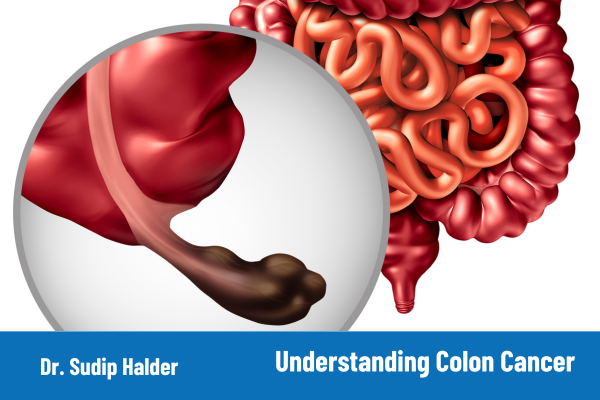
Understanding Colon Cancer

Colon cancer poses a significant health concern globally, necessitating awareness and proactive measures for early detection and treatment. Dr. Sudip Halder, recognized as a leading Colon Cancer Specialist in North Bengal, sheds light on this prevalent malignancy. In his blog, Dr. Halder elucidates the risk factors, symptoms, and screening modalities for colon cancer, advocating for timely detection through regular screenings. With his expertise in gastrointestinal oncology, he discusses the latest advancements in treatment options, including surgery, chemotherapy, and targeted therapies. Through comprehensive guidance and compassionate care, Dr. Halder empowers patients and caregivers with the knowledge to navigate the challenges posed by colon cancer effectively.

Understanding Colon Cancer Read More »

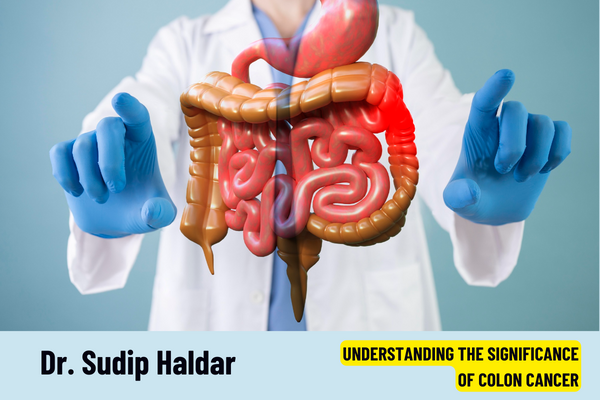
Understanding the Significance of Colon Cancer

Colon cancer, a prevalent malignancy affecting the large intestine, demands attention due to its rising incidence and significant impact on public health. Dr. Sudip Haldar, a distinguished Cancer Surgeon in Kolkata, sheds light on the importance of early detection and comprehensive management strategies for this disease. As one of the leading experts in the field, Dr. Sudip Haldar emphasizes the critical role of awareness and screening in combating colon cancer. Timely detection through screening tests such as colonoscopies can identify precancerous polyps or early-stage tumors, offering a window of opportunity for effective intervention. The complexity of colon cancer necessitates a multidisciplinary approach, integrating surgery, chemotherapy, and radiation therapy as deemed appropriate by Dr. Haldar and his team. Surgical intervention, often the cornerstone of treatment, aims to remove cancerous tissue while preserving as much of the healthy colon as possible, thereby minimizing long-term complications. Moreover, Dr. Sudip Haldar advocates for personalized care, tailoring treatment plans to each patient’s unique circumstances and preferences. This patient-centric approach not only optimizes therapeutic outcomes but also fosters a sense of empowerment and collaboration throughout the treatment journey. Beyond treatment, Dr. Haldar underscores the importance of postoperative surveillance and lifestyle modifications in preventing disease recurrence and promoting overall well-being. Regular follow-up appointments and adherence to healthy habits such as a balanced diet and regular exercise play integral roles in long-term survivorship. In conclusion, colon cancer represents a formidable health challenge, but with vigilant screening, comprehensive treatment strategies, and the expertise of professionals like Dr. Sudip Haldar, there is hope for improved outcomes and enhanced quality of life for patients in Kolkata and beyond.

Understanding the Significance of Colon Cancer Read More »

Colon Cancer: A Silent Threat

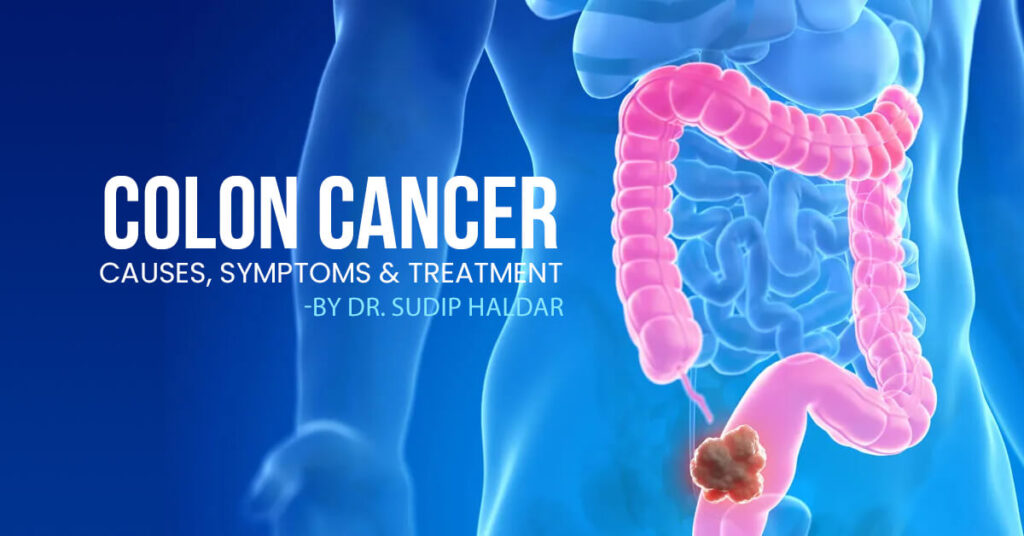
Understanding Colon Cancer: A Silent Threat

Colon cancer, also known as colorectal cancer, demands a nuanced understanding that transcends medical textbooks. The best onco surgeons not only possess exceptional surgical skills but also a profound comprehension of the physical and emotional toll the disease takes on patients. Their role extends beyond the operating room; they are navigators, guides, and beacons of hope. Causes and Risk Factors: Understanding the root causes of colon cancer is crucial for early detection and prevention. While the exact cause remains elusive, certain risk factors increase the likelihood of developing this disease. Age plays a pivotal role, with the majority of cases diagnosed in individuals over the age of 50. Additionally, a family history of colon cancer, genetic mutations, and personal history of inflammatory bowel diseases like Crohn’s or ulcerative colitis contribute to elevated risk. Unhealthy lifestyle choices, such as a diet rich in red and processed meats, low fiber intake, sedentary behavior, and excessive alcohol consumption, also heighten the susceptibility to colon cancer. Regular screenings become essential, especially for those with one or more of these risk factors. Symptoms and Diagnosis: Colon cancer often progresses without noticeable symptoms in its early stages, making regular screenings imperative for timely detection. However, as the disease advances, symptoms may manifest. These can include changes in bowel habits, persistent abdominal discomfort, unexplained weight loss, fatigue, and rectal bleeding. Diagnosis typically involves various tests, such as colonoscopies, fecal occult blood tests, and imaging studies like CT scans. Early detection significantly improves treatment outcomes, emphasizing the importance of routine screenings, particularly for individuals in high-risk categories. Prevention: Prevention plays a pivotal role in the battle against colon cancer. Adopting a healthy lifestyle is key to minimizing risk factors. A diet rich in fruits, vegetables, and whole grains, along with regular physical activity, can contribute to overall well-being and reduce the likelihood of developing colon cancer. Screenings are instrumental in catching the disease at its earliest, most treatable stages. Colonoscopies, in particular, are highly effective in detecting precancerous polyps and early-stage cancer. The recommended age for initiating screenings varies, with most health organizations suggesting starting at age 45 or 50, depending on individual risk factors. Treatment Options: Treatment for colon cancer depends on factors such as the stage of the cancer, its location, and the patient’s overall health. Common treatments include surgery, chemotherapy, and radiation therapy. Surgery aims to remove the cancerous tumor, and in some cases, nearby lymph nodes. Chemotherapy utilizes drugs to kill cancer cells, while radiation therapy employs high-energy rays to target and eliminate cancer cells. The prognosis for colon cancer is often favorable when detected in its early stages. However, late-stage diagnoses pose significant challenges, underscoring the importance of regular screenings and prompt medical attention when symptoms arise. Conclusion: In the realm of oncology, where the stakes are high and every decision is pivotal, Dr. Sudip Halder emerges as a beacon of hope and expertise, particularly in the challenging landscape of colon cancer. As one of the best onco surgeons, Dr. Halder’s journey is marked by a commitment to excellence, compassionate care, and innovative approaches to combat this formidable adversary.

Understanding Colon Cancer: A Silent Threat Read More »

Advancing Hope: Dr. Sudip Haldar’s Commitment to Prostate Cancer Care in India

In the realm of cancer care in India, few names resonate as strongly as Dr. Sudip Haldar, a distinguished and compassionate cancer surgeon. Renowned for his expertise and dedication, Dr. Haldar has emerged as a beacon of hope for many patients grappling with various forms of cancer. In this blog, we will delve into one specific area of his expertise: prostate cancer. Understanding Prostate Cancer: The prostate is a small gland situated below the bladder, playing a crucial role in male reproductive function. Prostate cancer occurs when abnormal cells within the prostate gland start to grow uncontrollably, forming a tumor. While not all prostate cancers are aggressive, it is crucial to detect and treat them early to enhance the chances of successful outcomes. Risk Factors: Several factors contribute to the development of prostate cancer. Age is a significant risk factor, with the likelihood increasing after the age of 50. Family history, particularly having a close relative with prostate cancer, and race, with African American men having a higher risk, are also key considerations. Additionally, lifestyle factors such as diet, obesity, and physical activity may influence the risk of developing prostate cancer. Prevention Strategies: While some risk factors for prostate cancer cannot be modified, adopting a healthy lifestyle can contribute to prevention. Here are some strategies: Symptoms: Prostate cancer may not exhibit noticeable symptoms in its early stages. However, as the disease progresses, individuals may experience symptoms such as: Diagnosis and Treatment: If prostate cancer is suspected, diagnostic tests, including a digital rectal examination (DRE) and PSA test, are conducted. A biopsy may be recommended to confirm the diagnosis. Treatment options depend on the stage and aggressiveness of the cancer. They may include: Conclusion: In the realm of prostate cancer care, Dr. Sudip Haldar stands as a symbol of hope and healing. His commitment to excellence, paired with a compassionate approach, has transformed the lives of many patients. As he continues to lead the charge against cancer in India, Dr. Haldar’s legacy is one of resilience, innovation, and unwavering dedication to improving the outcomes for those affected by prostate cancer.

Advancing Hope: Dr. Sudip Haldar’s Commitment to Prostate Cancer Care in India Read More »

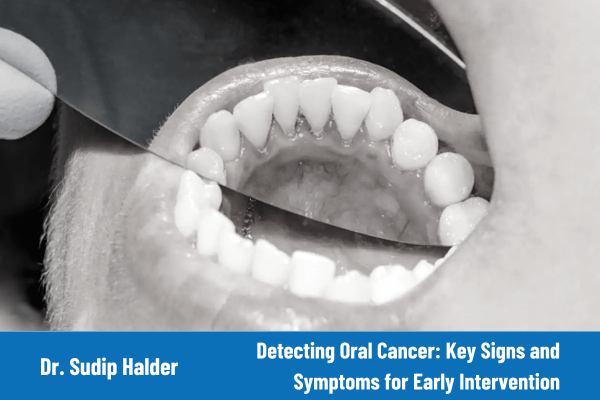
Detecting Oral Cancer: Signs and Symptoms for Early Intervention

Introduction: Oral cancer is a serious condition that affects thousands of individuals worldwide. Detecting oral cancer at an early stage is crucial for successful treatment and improved outcomes. By understanding the signs and symptoms associated with oral cancer, individuals can be vigilant and seek prompt medical attention. In this blog, Best Oral Cancer Surgeon discusses about the key indicators that may indicate the presence of oral cancer, empowering readers to take proactive steps toward early detection and intervention. One of the primary warning signs of oral cancer is the presence of persistent mouth sores or ulcers that do not heal within two weeks. These sores may appear as red or white patches, and they can cause pain or discomfort. If you notice any unusual sores or ulcers in your mouth that do not resolve, it is essential to consult a healthcare professional for evaluation. Frequent or unexplained bleeding in the mouth, gums, or throat should never be ignored. Oral cancer can cause abnormal bleeding, which may manifest as bleeding gums, blood-streaked saliva, or unexplained nosebleeds. If you experience persistent oral bleeding without an apparent cause, it is crucial to have it assessed by a medical professional. Oral cancer can affect the throat and cause difficulty in swallowing, known as dysphagia. If you frequently experience discomfort or pain while swallowing, along with a persistent sore throat, it is advisable to seek medical attention. These symptoms may indicate the presence of a tumor or abnormal growth that requires investigation. Oral cancer can impact the tongue, vocal cords, and other structures involved in speech production. As a result, individuals with oral cancer may experience changes in their voice, such as hoarseness or a persistent change in speech patterns. If you notice any unusual alterations in your voice or speech that persist for an extended period, it is essential to consult a healthcare professional for evaluation. In the advanced stages of oral cancer, individuals may experience unexplained weight loss and persistent fatigue. These symptoms can indicate that the cancer has spread and is affecting overall health. If you notice significant and unexplained weight loss accompanied by chronic fatigue, it is crucial to seek medical attention for a comprehensive evaluation. Conclusion: Being aware of the signs and symptoms associated with oral cancer is crucial for early detection and timely intervention. If you experience any persistent mouth sores, unexplained oral bleeding, difficulty swallowing, changes in speech, or unexplained weight loss and fatigue, it is imperative to consult a Top Surgical Oncologist for further evaluation. Regular dental check-ups and oral cancer screenings can also contribute to early detection and improved outcomes. Remember, early detection is key in successfully managing oral cancer and preserving overall health.

Detecting Oral Cancer: Signs and Symptoms for Early Intervention Read More »

Head & Neck Cancer

Overcoming Head and Neck Cancer

Head and neck cancer is a group of cancers that can occur in various parts of the head and neck region, including the throat, mouth, nose, sinuses, and salivary glands. The treatment of head and neck cancer can be complex and may involve a combination of surgery, radiation therapy, and chemotherapy. However, with the right treatment plan and a skilled and experienced cancer surgeon or surgical oncologist, many patients are able to overcome this challenging disease. If you’re facing a diagnosis of head and neck cancer, it’s important to seek out the best possible care. In Kolkata, one of the most respected and experienced cancer surgeons is Dr. Sudip Halder, who is widely regarded as one of the best surgical oncologists in the city. The first step in the treatment of head and neck cancer is typically a thorough evaluation by a team of healthcare professionals, including a cancer surgeon or surgical oncologist like Dr. Halder. This may involve various diagnostic tests, such as imaging scans, biopsies, and blood tests, to determine the extent of the cancer and the best course of treatment. Depending on the stage and location of the cancer, surgery may be the primary treatment option. Dr. Halder is known for his advanced surgical techniques and use of cutting-edge technology to perform precise and effective surgeries. He uses minimally invasive approaches whenever possible to minimize pain and scarring and speed up recovery times. In some cases, radiation therapy or chemotherapy may be used in combination with surgery to increase the chances of a successful outcome. Dr. Halder works closely with a team of radiation oncologists and medical oncologists to develop a comprehensive treatment plan tailored to each patient’s individual needs. Throughout the treatment process, Dr. Halder provides compassionate care and support to his patients and their families. He understands the physical and emotional toll of a cancer diagnosis and strives to provide his patients with the best possible care and outcomes. If you or a loved one is facing a diagnosis of head and neck cancer, it’s important to seek out the best possible care. With the expertise and experience of a top cancer surgeon like Dr. Sudip Halder, you can rest assured that you’re in good hands. With personalized care, advanced surgical techniques, and cutting-edge technology, Dr. Halder is an invaluable resource for patients in Kolkata and beyond.

Overcoming Head and Neck Cancer Read More »

What Do You Need To Know About Chemoport

One of the Best Cancer Surgeons in Kolkata Dr. Sudip Halder talks about the benefits & role of chemoport in Cancer Treatment. Chemotherapy may require multiple times of needle pricks for venous access. Initially, there may not be any issues. But later, the accessibility of veins sometimes gets limited. Various cycles of cytotoxic chemotherapy, the long duration of each cycle, and the limitation of usage of the affected upper limb in case of breast cancer may indicate the insertion of a chemo port. I will recommend it in case of carcinoma breast (especially in Her-2 positive (a receptor which mandates anti-her2 therapy like trastuzumab for one duration), colon carcinoma, carcinoma stomach (where we need 48 hrs of infusion), and so many other malignancies.   A chemo port, also known as a port-a-Cath, is a medical device implanted under the skin that provides a way to administer chemotherapy drugs and other medications directly into a patient’s bloodstream, says Chemoport Specialist in Kolkata Dr. Sudip Halder. Chemo ports can reduce the need for repeated needle sticks and improve patient comfort during cancer treatment. They are commonly used in cancer treatment and can be left in place for several months or longer, depending on the treatment plan. Extravasation of chemotherapeutic drugs may cause difficulties like open wounds and non-healing ulcers over the area of venous accesses. Though the incidence of such events is less nowadays, chemo port may be a comfortable option for many patients. Every procedure has problems, so we estimate individuals’ cost/benefit ratios and then decide. For More Info on Chemoport Insertion Consult Top Cancer Surgeon & Chemotherapy Doctor in Kolkata Dr. Sudip Halder Today!

What Do You Need To Know About Chemoport Read More »